
Last updated: May 23, 2026
How To Create A Home Office On A Budget
Creating a home office on a budget is a practical way to set up a dedicated workspace without overspending. In this guide, you’ll learn how to establish a functional and comfortable home office that meets your needs while being mindful of your finances. Remember to prioritize safety by ensuring proper ergonomics and organizing your space to prevent accidents.
Disclosure: As an Amazon Associate I earn from qualifying purchases.
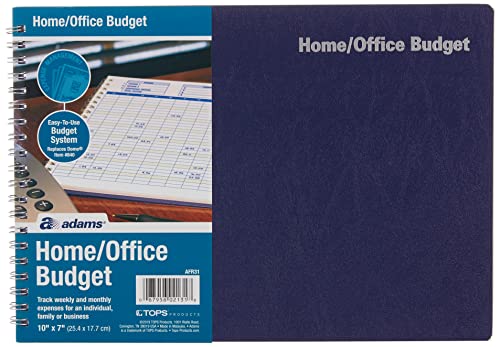
- Detailed forms for weekly and monthly tracking help you stay accountable for personal sp…
- Large 7" x 10" book with double-page spread gives you 34 columns and 33 lines of detail
- Provides annual summary pages to keep totals handy for tax time
What You’ll Need
Gathering the right materials will help you create an efficient workspace. Here’s what you’ll need: To enhance your home office experience, consider these tips:
Desk: A sturdy surface is essential for your computer and workspace items. Look for a size that fits your space and allows for comfortable movement.
Chair: An ergonomic chair provides comfort and support during long working hours, reducing the risk of back strain.
Lighting: Good lighting, such as a desk lamp, is crucial for reducing eye strain and increasing productivity.
Storage Solutions: Use affordable shelves or organizers to keep your workspace tidy and efficient.
Adams Home Office Budget Book: This tool helps you track your spending and stay on budget for office supplies and other expenses.
Step-by-Step
- Choose Your Space: Find a quiet corner in your home that can be dedicated to your office. Ideally, this should be away from distractions.
- Select the Right Furniture: Look for a desk and chair that fit your budget and space. Consider second-hand options or DIY solutions to save costs.
- Set Up Lighting: Position your desk near a window for natural light, and add a desk lamp for additional illumination during the evening.
- Organize Your Supplies: Use bins, shelves, or drawers to keep essential items within reach while keeping your workspace clutter-free.
- Establish a Budget: Utilize the Adams Home Office Budget Book to track your expenses and ensure you stay within your financial limits.
- Personalize Your Space: Add personal touches such as artwork or plants to make your office feel welcoming and inspiring.
- Test Your Setup: Spend a few hours working in your new space to see if adjustments are needed for comfort and efficiency.
- Make Adjustments: Based on your experience, tweak your setup, such as rearranging furniture or changing lighting, to optimize your workspace.
Pro Tips for Better Results
- Invest in a quality chair if you spend long hours at your desk to prevent discomfort.
- Keep your workspace organized with a minimalistic approach to reduce distractions.
- Incorporate plants to boost mood and improve air quality.
- Use cable management solutions to prevent clutter from cords and wires.
- Establish a routine to help maintain focus and productivity.
Common Mistakes
Avoid these common pitfalls when setting up your home office:
- Neglecting ergonomics can lead to discomfort; ensure your chair and desk height are appropriate.
- Overcrowding your space with unnecessary items can hinder productivity; keep only essentials on your desk.
- Forgetting about lighting can strain your eyes; ensure you have sufficient light for your tasks.
- Ignoring sound can lead to distractions; consider soundproofing options or using headphones.
Troubleshooting
If issues arise in your home office setup, here are some solutions:
- If you’re experiencing discomfort, reassess your chair and desk height to ensure proper posture.
- If distractions are affecting your focus, try noise-canceling headphones or white noise machines.
- If your lighting isn’t sufficient, consider adding a brighter lamp or repositioning your desk for better natural light.
- If you’re struggling with organization, reevaluate your storage solutions and consider decluttering unnecessary items.
What to Expect
- Detailed forms for weekly and monthly tracking help you stay accountable…
- Large 7" x 10" book with double-page spread gives you 34 columns and 33 …
- Check fit or sizing first.
- Expect some trade-offs by use case.
Maintenance / Next-Time Checklist
To keep your home office in top shape, consider the following:
- Regularly declutter your desk to maintain an organized and efficient workspace.
- Check your budget regularly to ensure you’re on track with expenses.
- Reassess your comfort levels and make adjustments to furniture as needed.
- Update your supplies and tools based on changing needs or projects.
Recommended Products & Tools
Here are some products that can enhance your home office experience:
Adams Home Office Budget Book: This book allows you to track spending efficiently, ensuring you stay within your budget for office supplies and expenses.
College Budget Planner and Vision Board Journal: This planner can help you keep financial goals in check while also allowing for creative visualization of your workspace.
Storage Bins: Affordable storage options can help organize office supplies, keeping your space tidy and functional.
FAQ
What is the best way to organize a small home office? Start by using vertical space with shelves and wall organizers. Keep only essential items on your desk to minimize clutter.
How can I make my home office more comfortable? Invest in an ergonomic chair, ensure proper lighting, and personalize your space to create a more inviting atmosphere.
What should I do if I have limited space? Consider a foldable desk or a corner desk to maximize your workspace. Utilize storage solutions to keep items off the desk.
How can I stay productive while working from home? Establish a routine that mimics a traditional workday and create a dedicated workspace to help minimize distractions.
What’s the importance of budgeting for a home office? Budgeting helps you track expenses, ensuring you don’t overspend while allowing you to prioritize necessary items for your workspace.
What Most Buyers Overlook
- Most mistakes come from rushing prep work or skipping the last verification step.
- A simple tool or accessory can save time and reduce repeat work.
Wrap-Up
Creating a home office on a budget is achievable with careful planning and resourcefulness. By following these steps and utilizing essential tools, you can establish an effective workspace that enhances your productivity without breaking the bank. Remember to regularly assess your setup and make adjustments as needed to ensure your home office remains a functional and pleasant environment.
Helpful Tools & Picks
- Detailed forms for weekly and monthly tracking help you stay accountable for personal sp…
- Large 7" x 10" book with double-page spread gives you 34 columns and 33 lines of detail
- Provides annual summary pages to keep totals handy for tax time
